“Having been involved in the Norwegian construction industry for more than 15 years, we have seen how fundamentally the market has changed,” says Raitis Kols, Development Manager at UPB in Norway. “A few years ago, the lowest price was often the decisive factor in winning a tender. Today, the discussions go much further. Time, environmental impact, safety, logistics and risk management have become equally crucial.”
Complex project profiles
At the same time, the profile of tendered projects is changing. The market is shifting toward architectonically demanding developments, where design quality, engineering, and execution must function as a single system.
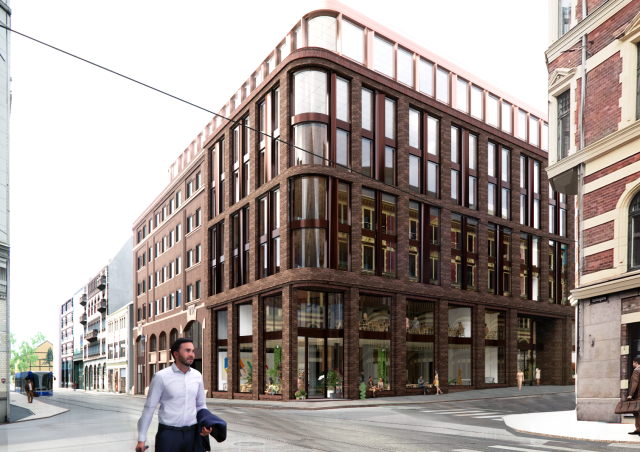
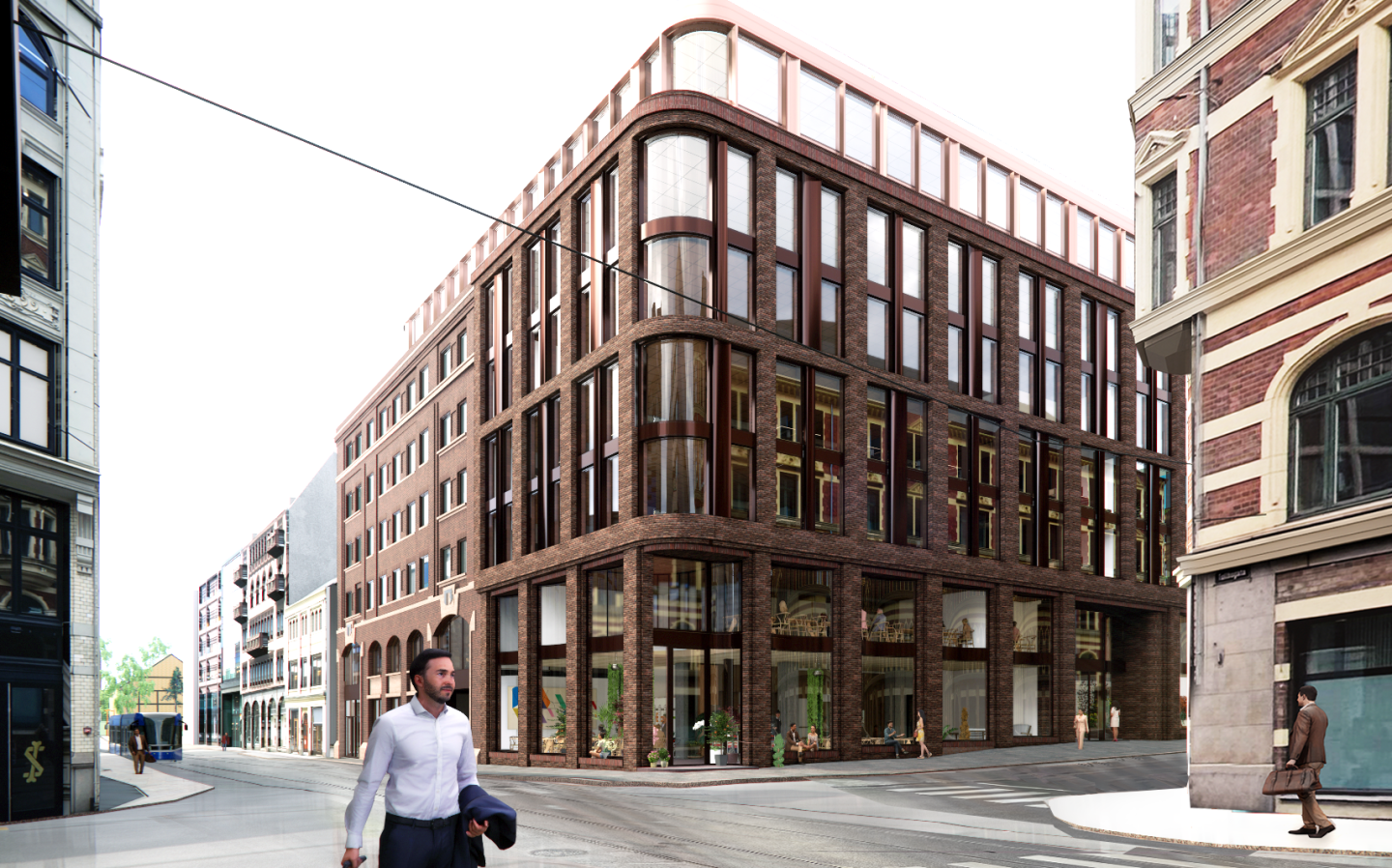
“Last year alone, we estimated around 45 projects across multiple segments, and saw a clear rise in project complexity,” explains Kols. “Hybrid buildings with timber load-bearing structures and multi-material façades are increasingly popular. High-rises demand faster floor-by-floor installation and greater design responsibility for subcontractors, while revitalization projects in dense urban areas like Oslo are also on the rise. We are currently involved in one such project, Qvarteret.”
Subcontractors who combine architectural understanding with strong engineering capabilities, dependable execution and integrated solutions are best positioned to succeed.
The Value of Early Involvement and Integrated Solutions
In a market where every decision carries financial and schedule-related consequences, early involvement and integrated delivery models have become essential for achieving predictable, high-quality project outcomes.
By combining strong engineering expertise, Nordic-quality production, and close cooperation with Norwegian partners, UPB supports a more coordinated and efficient project delivery model, emphasizing the importance of early involvement in projects.
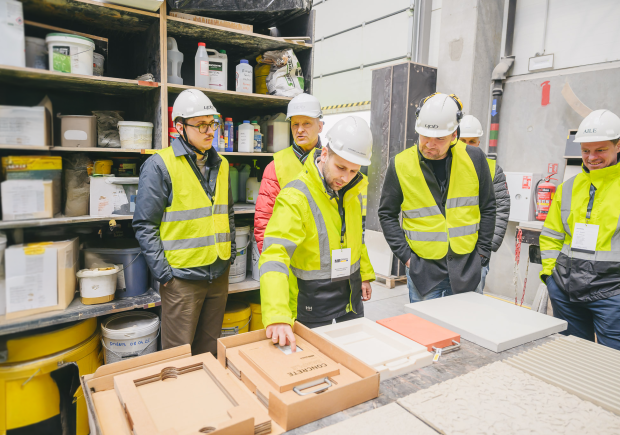
“With full-service solutions under one roof, we have a broad set of toolboxes to transform projects. We rethink structural designs, material choices and simplify construction processes – all with the aim of achieving the best possible outcome structurally, environmentally, and economically”, explains Kols.